Latest posts
-
Seton Treatment for Anal Fistula: Types, Duration, and Care

An anal fistula can be difficult to ignore. Repeated drainage, discomfort, skin irritation or a swelling that comes and goes may indicate a tract connecting the anal canal to the skin. When the fistula passes through or close to the anal sphincter muscles, treatment is not simply about closing the tract. It also has to…
-
LIFT Procedure for Anal Fistula: How It Preserves the Sphincter

An anal fistula is an abnormal tunnel that develops between the inside of the anal canal and the skin around the anus. While some fistulas can be treated with procedures that open the tract, treatment becomes more complicated when the fistula passes through an important part of the anal sphincter. This is where the LIFT…
-
Anterior vs Posterior Anal Fissure: Why Location Matters
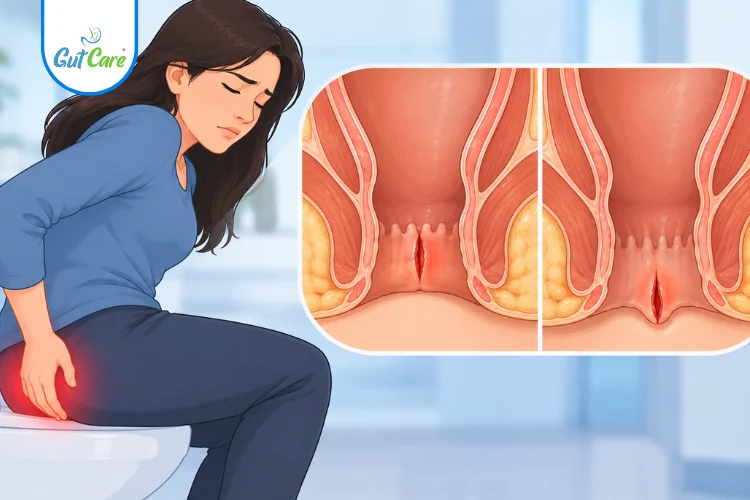
An anal fissure is a small tear in the lining of the anal canal, and its location can provide clues about how it developed. Most typical fissures occur in the posterior midline, while a smaller proportion occur in the anterior midline. If you have sharp pain during bowel movements, burning afterwards or bright-red bleeding, understanding…
-
Barrett’s Esophagus: Can Acid Reflux Raise Cancer Risk?

Persistent heartburn is often treated as a simple digestive problem. But when acid reflux continues for years, repeated exposure to stomach acid can damage the lining of the esophagus. In some people, this can lead to a condition called Barrett’s esophagus, which is associated with an increased risk of esophageal cancer. The important point is…
-
Colon Cancer Under 45: Why Younger Adults in India Should Not Ignore Persistent Bowel Symptoms
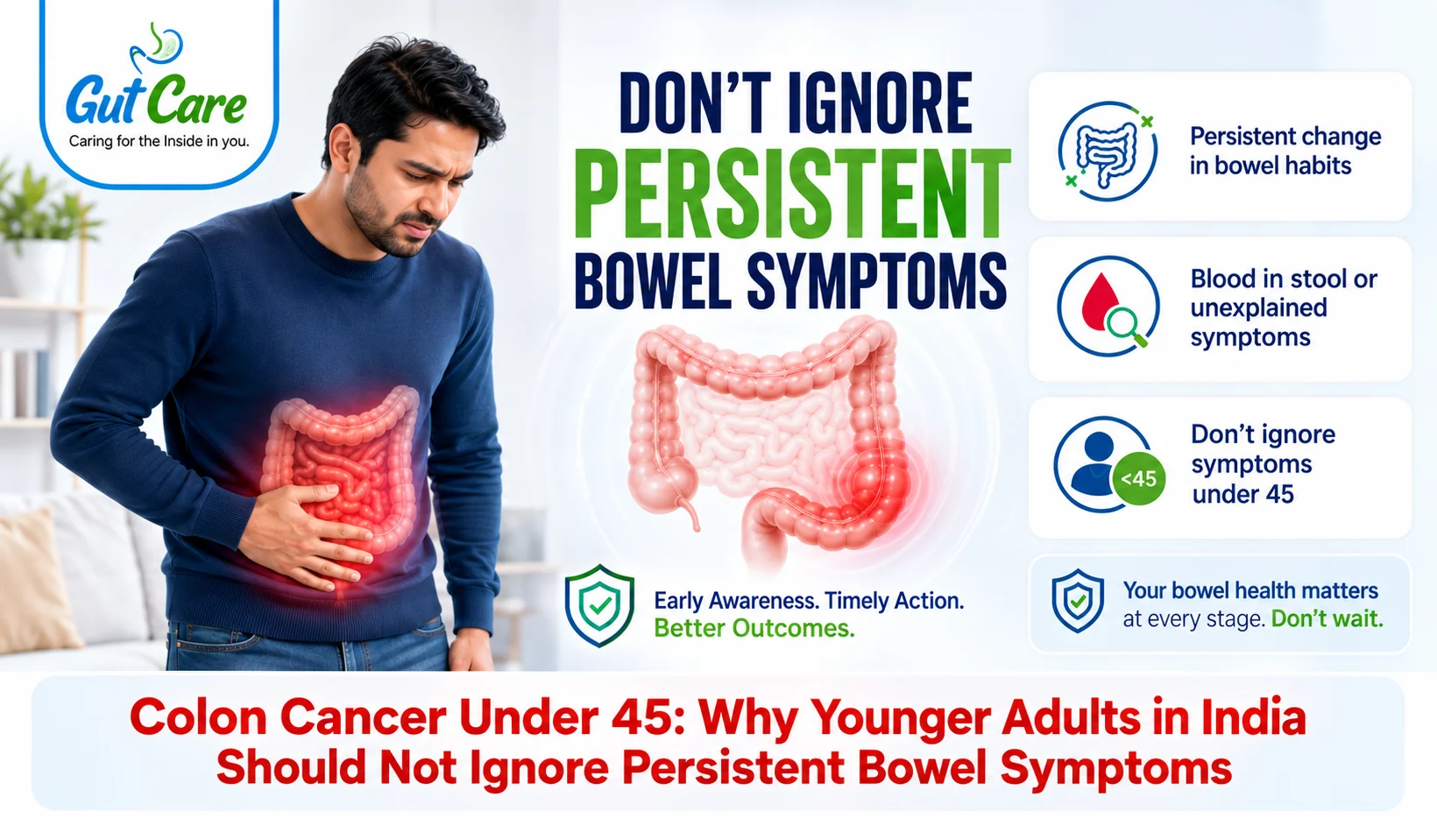
Colon cancer is still more common in older adults, but being in your 20s, 30s or early 40s does not make persistent bowel symptoms automatically harmless. Colon cancer under 45 is uncommon compared with disease at older ages, but colorectal cancer can occur in younger adults. Symptoms such as persistent changes in bowel habits, rectal…
-
Common Bile Duct Stones: When Do You Need ERCP Before Gallbladder Surgery?
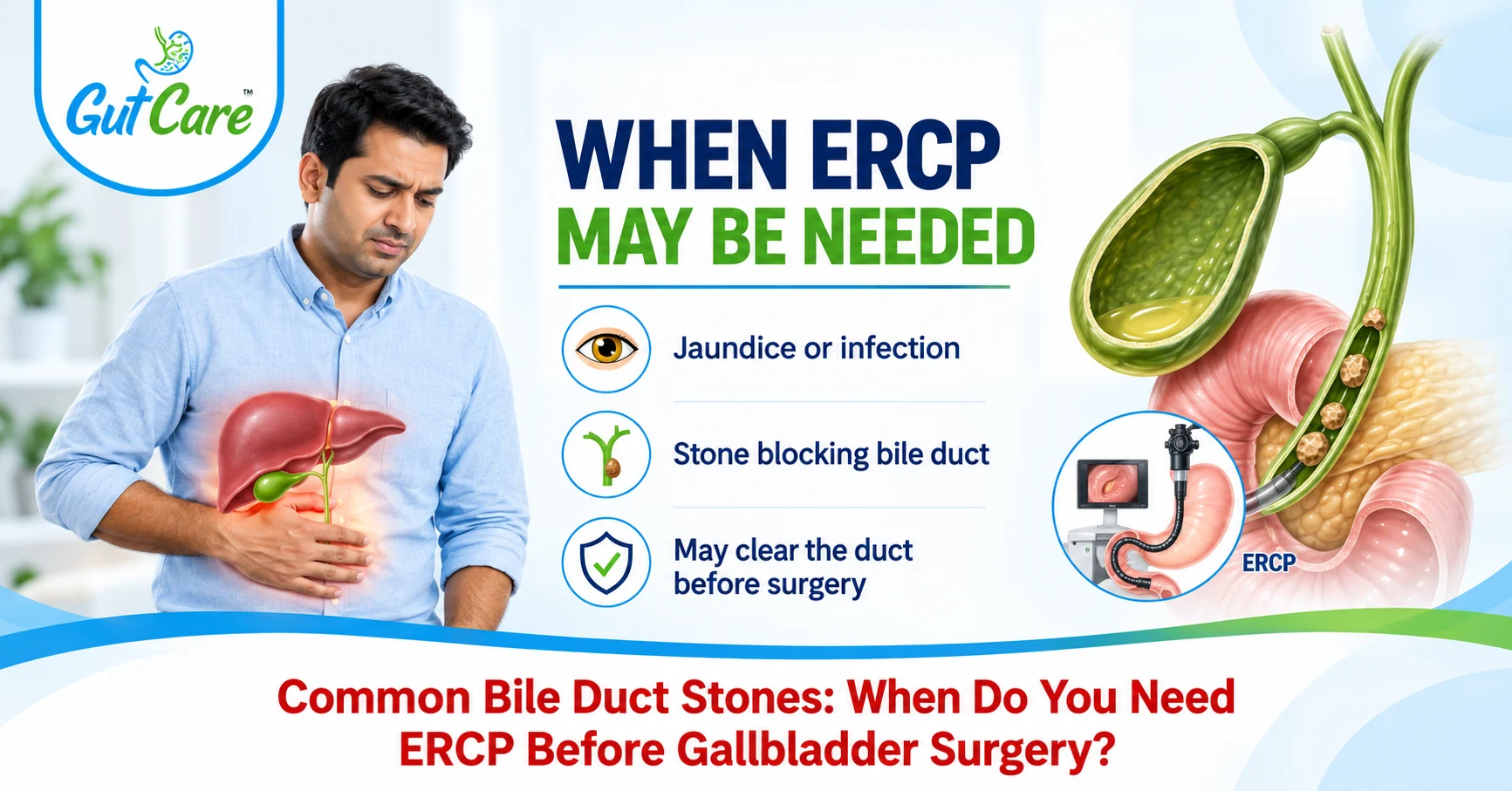
Having gallstones does not automatically mean you need ERCP before gallbladder surgery. ERCP is mainly considered when a stone has moved from the gallbladder into the common bile duct, a condition called choledocholithiasis, or when there is strong evidence that a bile duct stone is causing obstruction or infection. For patients at intermediate risk, doctors…
-
GERD With a Hiatal Hernia: When Is Surgery Actually Needed?
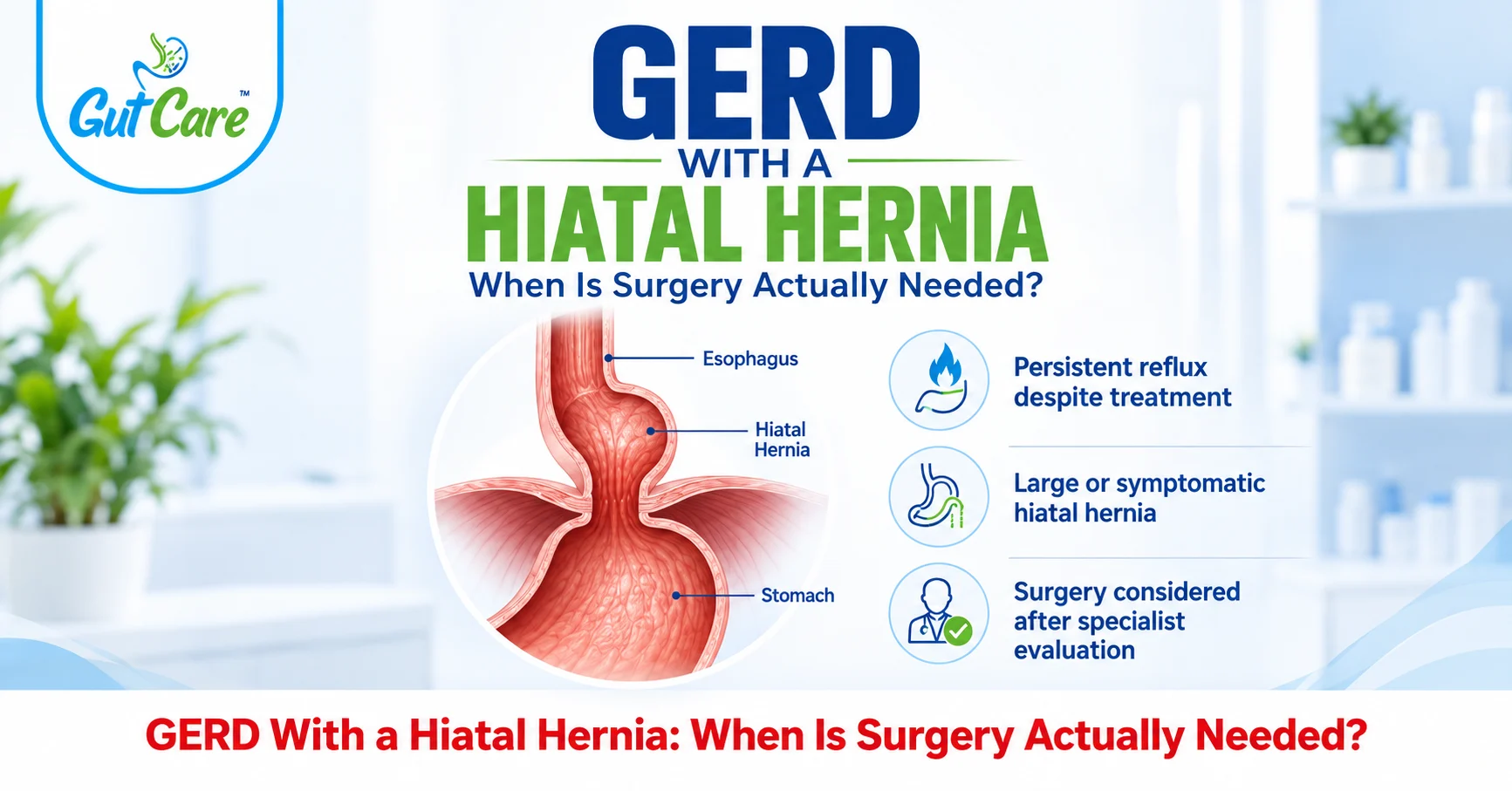
Finding out that you have both GERD and a hiatal hernia can make surgery sound inevitable. In reality, many people with a hiatal hernia never need an operation. For patients with GERD with a hiatal hernia, surgery becomes more relevant when reflux is objectively confirmed and remains troublesome despite appropriate treatment, when there is severe…
-
Is Hernia Mesh Safe? Benefits, Risks and Questions to Ask Before Hernia Surgery
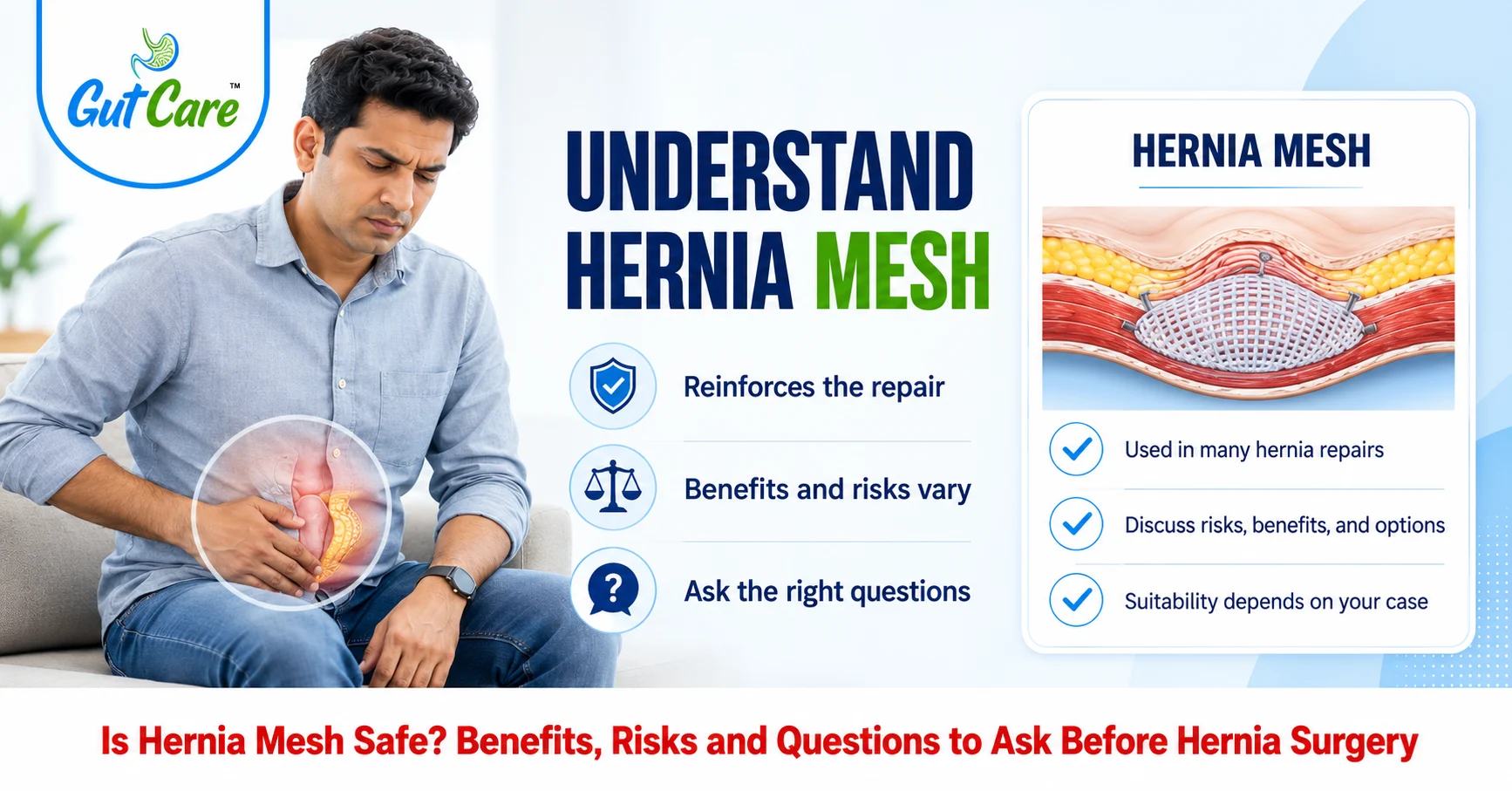
Hernia mesh is widely used to strengthen weakened tissue during hernia repair and can reduce the chance of the hernia returning compared with many non-mesh techniques. For most adults undergoing groin hernia repair, international guidelines support a mesh-based repair when it is appropriate for the individual patient. However, hernia mesh is not completely risk-free. Possible…
-
Robotic vs Laparoscopic Hernia Surgery: Which Approach Is Right for You?

Robotic and laparoscopic hernia surgery are both minimally invasive approaches that can repair a hernia through small incisions. The main difference lies in how the surgeon controls the instruments. In laparoscopic hernia surgery, the surgeon directly operates long instruments while viewing the surgical area on a monitor. In robotic hernia surgery, the surgeon sits at…
-
Colonoscopy Preparation Diet in India: What to Eat and Avoid Before Your Test
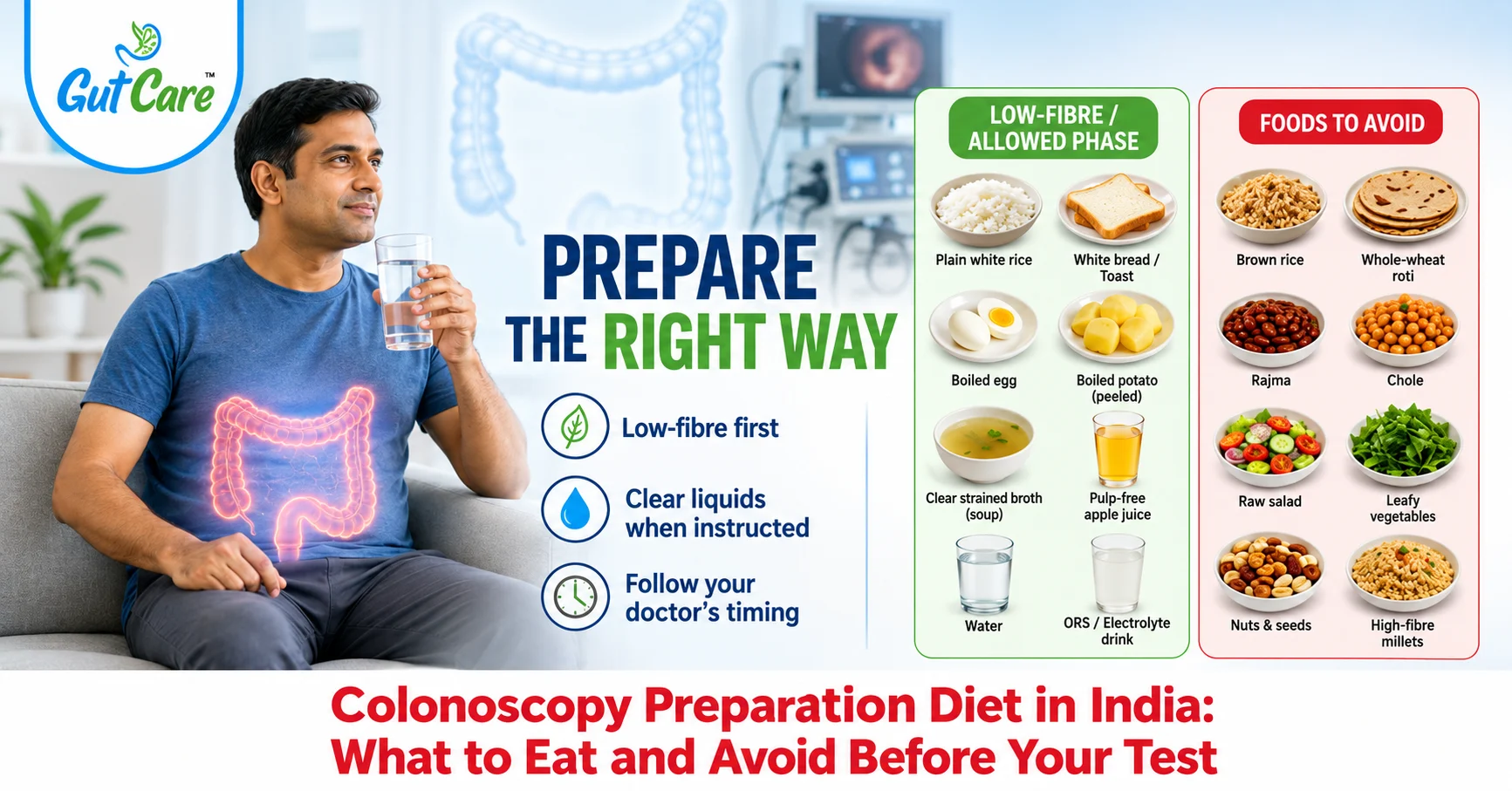
Preparing your bowel properly is one of the most important steps before a colonoscopy. A colonoscopy preparation diet in India usually involves temporarily reducing high-fibre foods and, depending on your doctor’s instructions, switching to low-fibre foods or clear liquids before the procedure. Common Indian foods such as white rice, plain toast, eggs, and certain low-fibre…