Latest posts
-
Can Colon Polyps Turn Into Cancer? Understanding the Risk
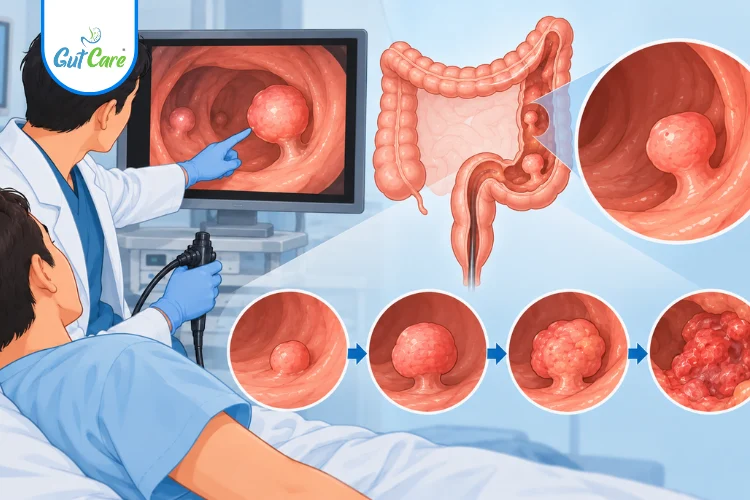
Finding out that you have a colon polyp during a colonoscopy can naturally raise an important question: Can colon polyps turn into cancer? The short answer is no, not all colon polyps become cancer. Some types have little or no potential to become cancerous, while others can develop abnormal changes over time and may eventually…
-
Can a Fissure Turn Into a Fistula or Abscess?
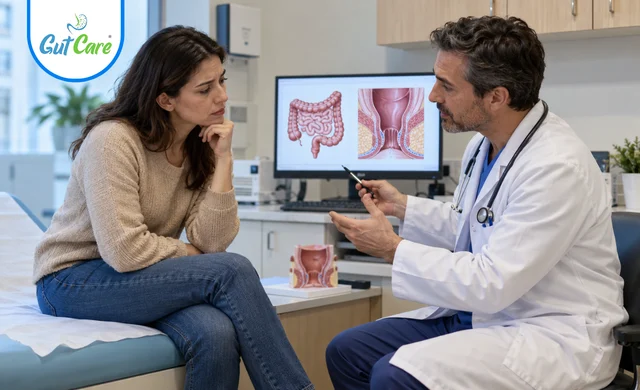
An anal fissure can be painful, so it is understandable to worry when symptoms continue or change. One common question is whether a fissure can turn into an anal fistula or abscess. The short answer is no, not usually. An anal fissure is a tear in the lining of the anus. An abscess is a…
-
GERD and Obesity: Can Weight Loss Reduce Reflux?
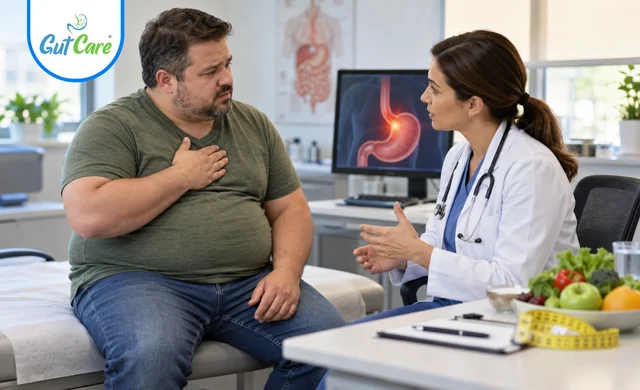
Heartburn that keeps coming back may be more than an occasional reaction to a heavy meal. If you are overweight or living with obesity, extra pressure around the abdomen can increase the likelihood of stomach contents moving back into the food pipe, making reflux symptoms more frequent. The connection between GERD and obesity is well…
-
What Is a Spigelian Hernia? Symptoms, Risks, and Treatment Options
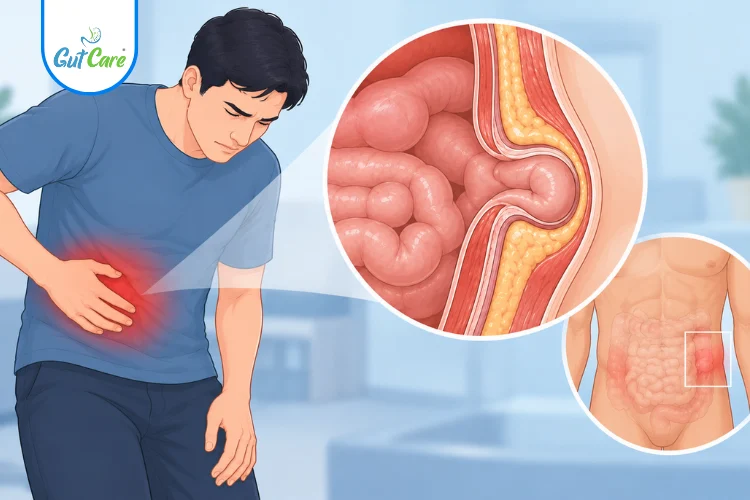
A Spigelian hernia is a type of abdominal wall hernia that develops through a weak area in the side of the abdominal wall, near the semilunar line. Unlike a typical groin hernia, it occurs along the side of the abdominal muscles and can be difficult to see from the outside. Some people notice a small…
-
Sports Hernia (Athletic Pubalgia): Symptoms and Treatment
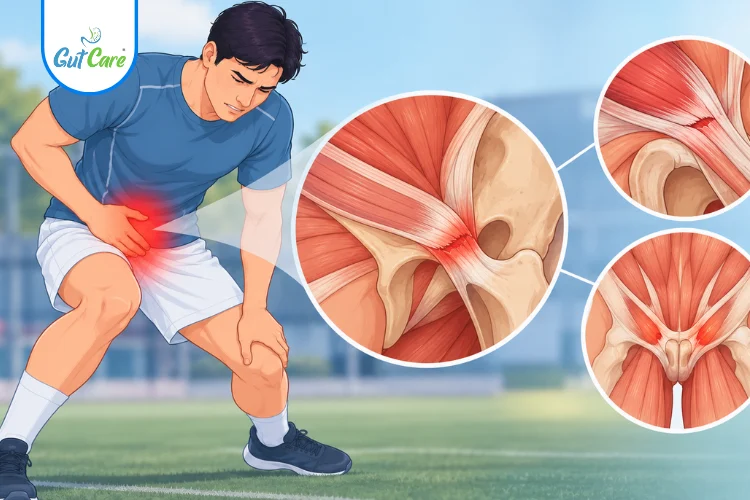
A sharp or persistent pain in the groin or lower abdomen can be frustrating, particularly when it appears during running, football, cricket, sudden changes of direction or other physical activity. One possible cause is a sports hernia, also known medically as athletic pubalgia. Despite its name, a sports hernia is not always a traditional hernia…
-
Hereditary Colorectal Cancer: Who Needs Genetic Testing?

Colorectal cancer does not always happen by chance. In some families, inherited genetic changes can increase the likelihood of developing colorectal, endometrial and other cancers. This is known as hereditary colorectal cancer, and recognizing it can help families understand their cancer risk and make informed decisions about screening. Lynch syndrome is one of the most…
-
Rectocele and Constipation: When the Rectum Bulges
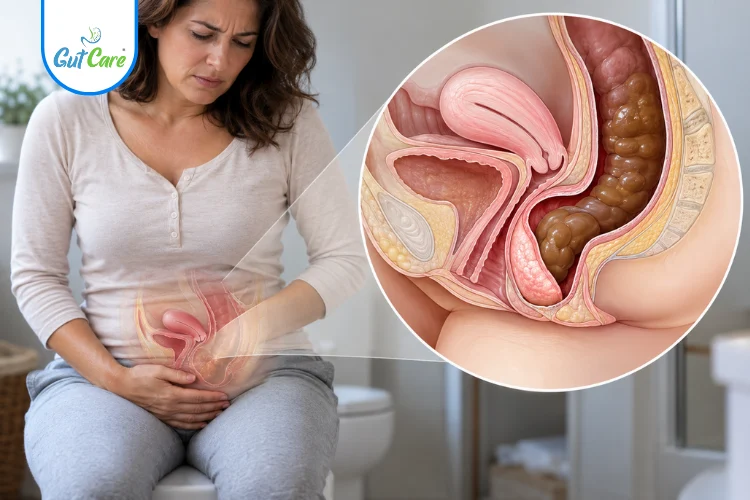
Constipation is usually associated with diet, dehydration or slow bowel movements. But when constipation continues despite making changes to your diet and bowel habits, there may be another factor involved. One possibility is a rectocele, a type of pelvic organ prolapse in which the front wall of the rectum bulges into the back wall of…
-
Slow Transit Constipation: Causes, Tests and Treatment

Constipation that keeps returning despite changes to diet, fluids or laxatives may need a closer look. Slow transit constipation occurs when stool moves unusually slowly through the colon. Some people experience infrequent bowel movements, bloating and abdominal discomfort without a strong urge to pass stool. Persistent constipation is not always simply a fibre or water…
-
Is Piles Hereditary? Understanding Genetic Risk Factors
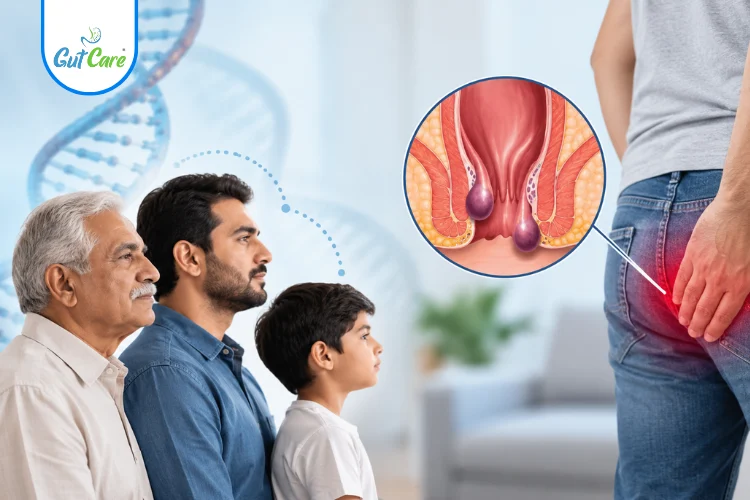
Piles, also called haemorrhoids, are common and can cause bleeding, itching, swelling, discomfort or a lump around the anus. If several people in your family have had piles, it is natural to wonder, “Is piles hereditary?” The short answer is that piles are not usually inherited in a simple, predictable way. However, family history may…
-
Doppler-Guided Hemorrhoidal Artery Ligation (THD) for Piles

Living with piles can mean dealing with bleeding, itching, discomfort or tissue that comes out during bowel movements. When these symptoms keep returning despite dietary changes and medicines, patients often look for a treatment that does not involve the extensive wound associated with conventional haemorrhoid surgery. Doppler-guided hemorrhoidal artery ligation, commonly known as THD or…